










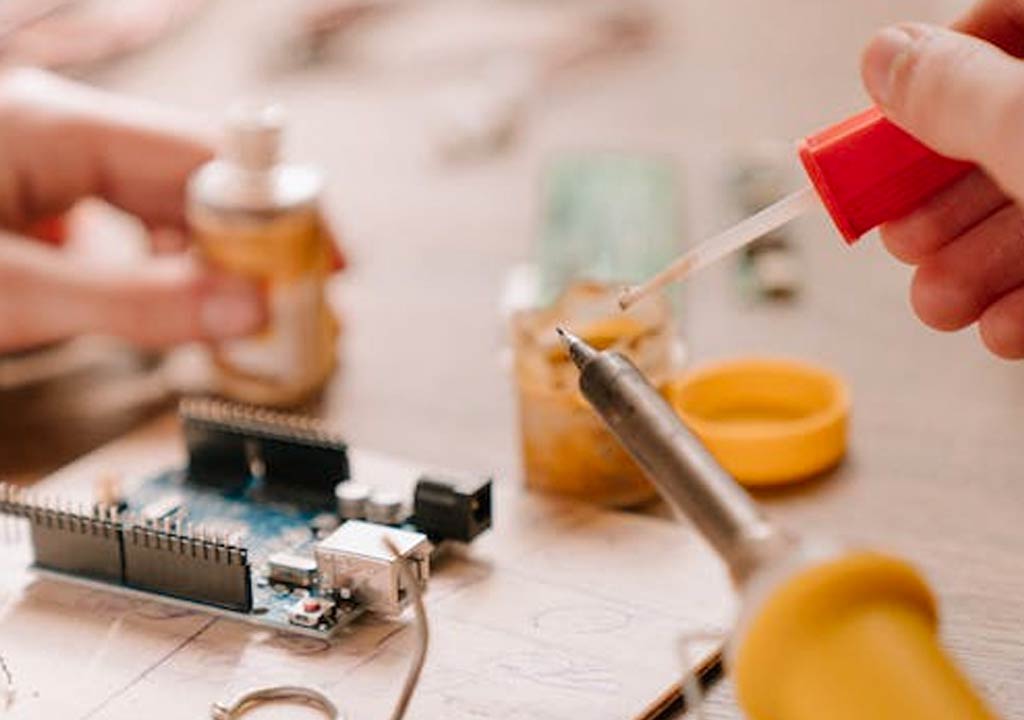

Safe Handling, Storage, and Workspace Setup for Soldering Irons

Safe Handling, Storage, and Workspace Setup for Soldering Irons
Soldering is a fundamental skill for electronics assembly, repair, and hobby projects. A well-chosen soldering iron is a powerful tool, but it also presents real hazards if mishandled. Burns, electric shocks, accidental fires, toxic fumes, and ruined components are all risks that can be minimized with proper handling, thoughtful storage, and a carefully organized workspace. This guide offers practical, field-tested advice to help you work safely and efficiently, whether you're a beginner learning the basics or a seasoned technician upgrading your setup.
Understanding the Hazards
Before you touch a soldering iron, it helps to know what makes it hazardous. The iron's tip can reach temperatures well over 350-450°C (660-840°F), enough to cause severe burns with a split-second touch. Even when the iron is turned off, the element and the tip can still remain hot for several minutes. Solder, especially lead-containing alloys, can release fumes that irritate the eyes, nose, and throat; smoke from rosin flux can aggravate respiratory conditions. Electrical hazards exist if cords are damaged, if the iron is used in damp areas, or if proper grounding isn't maintained. Fire risk is ever-present if hot tools are left near flammable materials such as paper, solvents, or cloth. Finally, cramped or disorganized workspaces increase the chance of tipping a hot iron or snagging a cord, leading to burns or a dangerous spill. Understanding these hazards helps you plan controls in advance, rather than reacting after something goes wrong.
Choosing and Inspecting Your Soldering Iron
There are several types of soldering irons, from analog pencil irons to temperature-controlled stations. A good choice for most hobbyists and professionals is a temperature-controlled station with a stable iron, adjustable temperature, a reliable stand, and a grounded plug. A few buying considerations:
- Temperature control: A range that covers common solders (e.g., 180°C to 350°C for lead-free solders; up to 370°C for some snazzy alloys) helps prevent damage to delicate components.
- Tip style and exchangeability: Conical or chisel tips for different tasks; easy tip replacement reduces the chance of damaged tips or mishandling.
- Heater and tip stability: Good stations heat quickly and maintain temperature under light-to-moderate load without large fluctuations.
- Stand and safety features: A sturdy, heat-resistant stand, and features like auto shutoff or tip-touch temperature hold can enhance safety.
- Electrical safety: Use a grounded outlet with a properly rated power cord. Avoid extension cords that create resistance or overheating.
Before you begin a session, inspect the tool: check the cord for nicks or exposed conductors, inspect the plug and housing for cracks, and ensure the tip is properly seated. If the tip is damaged or corroded, replace it. A damaged tip not only conducts heat unevenly but can shed material that contaminates joints. When in doubt, replace worn components. A good habit is to clean the tip with a brass sponge or a wet sponge and re-tin it with fresh solder before use. Unused tips should be stored in a clean, dry container to prevent oxidation.
Personal Protective Equipment and Safe Handling
Protecting yourself reduces the risk of accidents and long-term exposure to fumes. Basic PPE includes:
- Safety glasses or goggles to shield eyes from splashes of hot solder or flux droplets.
- Heat-resistant gloves or finger protection when handling hot parts or changing tips (only if you can still manipulate the tool safely).
- A respirator or at least a well-ventilated area to minimize inhalation of fumes, especially when working with rosin-core flux or large amounts of solder. For many hobbyists, a fume extractor or a small local ventilation setup is sufficient.
- Appropriate clothing: avoid loose sleeves, dangling jewelry, and synthetic materials that can melt onto skin if they catch on a hot tip.
Practical safety rules for handling the iron:
- Always assume the tip is hot. Do not touch it, even after you think you've turned the iron off. Place it back in the stand when not actively worked on a joint.
- Wash hands after handling solder or flux, especially if you used lead-based alloys. Use lead-free solders when possible for consumer electronics to minimize lead exposure for yourself and others.
- Keep a small spill kit or wet rag handy to wipe up flux and solder drips. Do not use unprotected bare skin for cleanup; use tools or heat-resistant gloves if you must handle hot items.
- Read the material safety data sheet (MSDS) for any flux or chemical you plan to use and follow its recommendations for ventilation and PPE.
Establish a "no-guesswork" policy about hot tools. If you're unsure whether the iron is hot, treat it as hot until you confirm otherwise. This discipline helps prevent accidents during fast-paced tasks or busy project sessions.
Handling Hot Tips and Temperature Control
Tips are the core contact point of the soldering process. Proper handling preserves tip life, ensures clean joints, and reduces contamination risks. Here are best practices for tip handling and temperature control:
- Tin the tip: Apply a small amount of fresh solder to the tip when it's hot and wipe clean on a damp sponge or brass sponge. A properly tinned tip conducts heat efficiently and resists oxidation.
- Aim for the correct temperature: Use the lowest effective temperature for the job. Higher temperatures speed soldering but increase oxidation, damage to components, and flux fumes. For lead-free solders (e.g., SAC alloys), typical operating ranges are 350-370°C for small joints, with adjustments for larger joints or ceramic components.
- Avoid overheating the tip: Prolonged heat exposure can erode the tip's plating, cause oxidation, and shorten life. If you notice a dull or dry-looking tip, re-tin and clean it rather than forcing it to heat.
- Keep joints clean and fluxed: Flux improves wetting and reduces the amount of heat required to form a solid joint. Use flux judiciously; excess flux can create corrosive residues if not cleaned.
- Practice good soldering technique: Heat the pad or component lead first, not the solder, and feed solder to the joint, not directly to the tip. This helps minimize heat transfer to nearby components and reduces the risk of thermal damage.
When changing tips or handling cartridges, disconnect the iron from the power source first. Allow the tip to cool in the stand, not on surfaces that could be damaged by heat. Store used or spare tips in a dry container away from chemicals and solvents. If your station has an automatic temperature compensation feature, use it to maintain stable temperature as you work with different types of solder and flux.
Workspace Setup: Layout, Lighting, and Ergonomics
A well-organized workspace reduces accidents, speeds workflow, and improves the quality of your joints. Consider the following elements for an efficient and safe soldering area:
- Dedicated soldering zone: Keep your soldering station in a well-ventilated area with a stable, non-flammable surface. If you work in a shared space, consider a portable shield or enclosure to contain fumes in a small area.
- Heat-resistant mat or silicone pad: Place a heat-resistant mat under the soldering station to protect the work surface from stray hot tips or solder spills.
- Sturdy stand and tip-cleaning station: A safe stand prevents accidental tip contact with the bench. A dedicated tip cleaner helps maintain tip integrity and reduces contamination.
- Electrical safety: Use a grounded outlet and avoid overloading power strips. If your area experiences intermittent power fluctuations, consider a surge protector or isolated power source for sensitive equipment.
- Ventilation: Either a local fume extractor with a hood or a dedicated desk fan to direct fumes away from your face can greatly improve air quality. For tighter spaces, a small, quiet fume extractor is often worth the investment.
- Lighting: Bright, shadow-free lighting is essential. A combination of overhead lighting and a flexible task lamp can reduce eye strain and help you see fine details clearly.
- Workholding and ergonomics: Use a third-hand tool, helping hands, or a clamp to hold components steady. Keep your wrists in a neutral position and raise or lower the chair and table height to reduce fatigue during long sessions.
- Tool accessibility: Keep commonly used tools (snips, tweezers, flux, wick) within easy reach. An organized drawer with labeled compartments speeds up work and reduces the temptation to reach across hot surfaces.
Flammable materials should be stored away from the soldering station. Keep solvents, sprays, and cleaning agents in closed containers and away from the heat source. A small trash container with a metal lid or a dedicated bin for oily or paint-soaked rags is advisable to prevent spontaneous combustion risks. Regularly clean up spills and dust to maintain a safe environment.
Ventilation and Fume Control
Flux fumes can irritate eyes and lungs, especially in enclosed spaces. If you're soldering frequently or using rosin flux, you should prioritize proper ventilation. Options include:
- Local exhaust: A fume extractor or small hood positioned close to the work area captures solder smoke at the source.
- Room ventilation: If a dedicated extractor isn't feasible, ensure your workspace has adequate cross-ventilation, using a window or a vented door to exchange air.
- Material choices: Where possible, select low-residue fluxes and lead-free solders to reduce the volume of fumes you encounter. Always check whether a particular flux is compatible with your materials and processes.
- Respiratory protection: For occasional work in poorly ventilated areas, a suitable respirator with organic vapor cartridges may be warranted. For frequent users, consult safety guidelines to select appropriate PPE.
Remember that fumes can travel with air currents, so even if you're standing to the side, you should still have proper ventilation. Do not rely solely on a fan blowing toward you; combine it with an effective exhaust path for best results.
Lighting and Ergonomics
Vision clarity reduces fatigue and improves joint quality. A good lighting plan includes brightness levels that mimic daylight, with minimal glare on reflective surfaces. Position lights to avoid casting shadows on your work area, especially on the joint you are soldering. Ergonomic considerations-such as adjustable chair height, a stable bench, and anti-fatigue mats-can make long sessions safer and more productive. If you experience hand or wrist fatigue, take short breaks and stretch regularly to maintain circulation and reduce the risk of repetitive strain injuries.
Storage and Organization of Soldering Supplies
Secure storage reduces accidents, keeps tools in good condition, and extends the life of your equipment. Consider these storage tips:
- Tip storage: Keep spare tips in a dry, labeled container. Avoid stacking tips in a way that could cause damage to the plating or tips themselves.
- Flux and solder storage: Store flux in tightly closed containers away from heat and sunlight. Solder spools should be kept in a clean, dry area to prevent oxidation. Label each container with the alloy composition and recommended usage temperature for quick reference.
- Electrical components: Keep a small parts bin or organizer for resistors, capacitors, and connectors. Use anti-static bags or containers for sensitive components and handle them with anti-static precautions as needed.
- Cable management: Use velcro straps or cable organizers to keep cords tidy and away from the hot zone. A neat workspace reduces the likelihood of snagging a cord and pulling a hot iron off the bench.
For long-term storage, think about a dedicated tool cabinet or a metal tray with a raised edge for hot items. Label shelves and drawers to help you locate items quickly and reduce the need to reach across a sizzling hot tip. Always put away hot tools and check that the iron is fully cooled before closing up for the day.
Safe Practices for Common Tasks
Different jobs require slightly different approaches. Here are some common tasks you'll encounter and the safety practices that go with them:
- Soldering through-hole components: Secure the board, align the component, and heat the pad evenly. Don't apply solder to the tip or pad directly; allow the joint to accept solder as you feed it in. Clean the tip after finishing the joint to remove any oxidation or flux residue.
- Soldering surface-mount components: Use a fine-tip iron, steady hands, and a magnifier if needed. For hot air rework or desoldering, ensure good ventilation and avoid breathing fumes from flux or rosin.
- Desoldering: Use a desoldering pump or braid to remove excess solder. Stop if the pad is lifted or the trace is damaged. Work in small bursts, and don't overheat the pad, which can warp the board.
- Power-off and unplugged state when not in use: Even when not actively soldering, the iron should be placed properly in its stand to cool down safely. Do not leave the tool powered on while you leave the room, and never leave it unattended while plugged in.
- Lead-free considerations: If you are using lead-free solders (commonly SAC alloys), expect slightly higher melting temperatures. Use appropriate flux and ensure complete cleaning of residues, since lead-free joints may appear duller and require different wetting characteristics than leaded solders.
Always consider the potential interactions between materials. Some board materials can be sensitive to heat; avoid direct contact with delicate components, and use heat sinks or clamps to dissipate heat when necessary. If you're performing high-heat operations, consider a moistened sponge or water-based cooling method to prevent overheating adjacent components.
Maintenance and Disposal
Maintenance ensures longevity and safety of your soldering setup. Routine tasks include:
- Clean the tip regularly: After soldering, wipe the tip on a damp sponge or brass bristle cleaner while gently tapping the tip to remove excess solder. If the tip develops heavy oxidation, re-tin it or replace it.
- Inspect the cord and plug: Look for cracks, exposed conductors, or strain points that could cause electrical hazards. Replace damaged cords promptly.
- Calibrate temperature: If your station supports temperature calibration, do so at regular intervals to ensure consistent performance. Temperature drift can lead to poor joints or damaged components.
- Solder waste disposal: Properly dispose of lead-containing solders according to local regulations. For lead-free solder, disposal guidelines may be less stringent but still require careful handling of residues and used flux.
Environmental considerations are important in electronics work. Use lead-free solders where possible to reduce environmental and health risks, and ensure that flux residues are cleaned from boards to prevent long-term corrosion. If you use solvents for cleaning, store them in well-ventilated areas and tightly closed containers. Never pour solvents down the drain unless you are certain it's permitted by local regulations.
ESD and Component Handling
Electrostatic discharge (ESD) can damage sensitive electronics, sometimes without obvious symptoms. If you work with static-sensitive components (SSCs), adopt ESD-safe practices:
- Use an anti-static mat and wrist strap when handling sensitive components. Attach the strap to a grounded surface.
- Work on insulated surfaces and keep electronics away from metal surfaces that could drain static charges.
- Handle components by their edges and avoid touching exposed leads or pads directly.
- Store SSCs in anti-static bags or containers when not in use.
When soldering, ESD protection remains important, even if you aren't working with high-value SSCs. The combination of heat and flux can cause latent damage to sensitive parts, affecting performance or reliability down the line.
Environmental and Health Considerations
Continuous exposure to flux fumes, even at low levels, can irritate mucous membranes and lungs. To minimize risk:
- Ventilate adequately; consider a fume extractor for dense work sessions.
- Use fluxes and solders with low toxicity and low smoke output when possible.
- Take breaks to reduce cumulative exposure. If you experience headaches, eye irritation, or coughing, reassess ventilation and PPE usage and consult safety guidelines or a health professional if symptoms persist.
In addition, consider your waste disposal habits. Keep spent solder, flux containers, and cleaning wipes in separate waste streams as appropriate for your local regulations. If you recycle materials, separate metals and plastics according to your local recycling program.
Safe Practices for Young Makers and Shared Spaces
If you're teaching or sharing a workshop space with others, establish safe, universal rules to prevent accidents:
- Label hot items and keep a visible "hot surface" notice on the work area when the iron is in use or cooling.
- Provide dedicated storage for each person's tools and materials to prevent mix-ups and accidental use of someone else's hot tools.
- Publish a simple safety checklist at the workstation: PPE, ventilation status, proper disposal, and a quick incident reporting method.
- Supervise novices, especially children, and ensure they are trained on the correct stance, grip, and technique before using any hot tool.
Safety culture in shared spaces reduces accidents and makes the experience more enjoyable for everyone involved.
Lead-Free Soldering: A Practical Consideration
Lead-free solders (commonly SAC alloys) require higher temperatures to achieve reliable joints. This has several practical implications for safety and workflow:
- Expect longer heat-up times and higher heat output, which means you should ensure your ventilation is robust during long sessions.
- Flux residues from lead-free solders can be more abrasive on copper traces if left on the board; make sure to clean joints thoroughly after soldering.
- Be mindful of the mechanical stress on boards when soldering at higher temperatures. Use heat sinks or clamps for sensitive components to protect them from excessive heat exposure.
While lead-containing solders are being phased out or restricted in many regions, it's still common to encounter older boards. When working with lead-containing solders, follow local regulations for lead handling, ensure proper hygiene, and dispose of waste responsibly. In any case, prioritize a safe, well-ventilated workspace and careful handling of all hot tools.
Conclusion and Quick Safety Checklist
Safe handling, storage, and workspace setup are foundational to successful soldering work. A few takeaways to keep in mind:
- Always treat the soldering iron as hot. Use a stable stand and never touch the tip with bare skin.
- Work in a ventilated area and use flux and solder appropriate for the task. Consider fume extraction for longer sessions or dense flux use.
- Organize your workspace so hot tools and flammable materials are separated. Keep a tidy bench with good lighting and ergonomics.
- Inspect tools and PPE regularly; replace damaged components and worn tips promptly.
- Store tips, flux, and solders properly in labeled, dry containers. Keep waste streams organized for safe disposal and recycling.
- When sharing a space or teaching others, establish clear safety rules, supervise novices, and maintain a culture of safety first.
By following these guidelines, you'll reduce the risk of burns, electric shocks, fires, and hazardous exposure while improving your accuracy and efficiency. A well-planned setup not only keeps you safe but also makes soldering more enjoyable and productive. Remember: safety is a habit, not a one-time precaution. With a well-equipped station, a properly organized bench, and mindful handling of your tools, you can achieve professional-grade results while keeping yourself and your workspace protected.
Final quick safety checklist:
- Stand is used whenever the iron is hot or not actively being used.
- Ventilation or fume extraction is active for flux-based work.
- Tip is clean and tinned before and after use.
- All liquids, solvents, and flammables are stored away from the soldering zone.
- Electrical cords are intact, out of the way, and on a grounded outlet.
- Workpiece and tools are organized to prevent tip contact and accidental burns.
With these principles in place, you'll be well on your way to safe, efficient, and high-quality soldering work. Happy soldering!
LIKED THIS ARTICLE? SHARE IT: